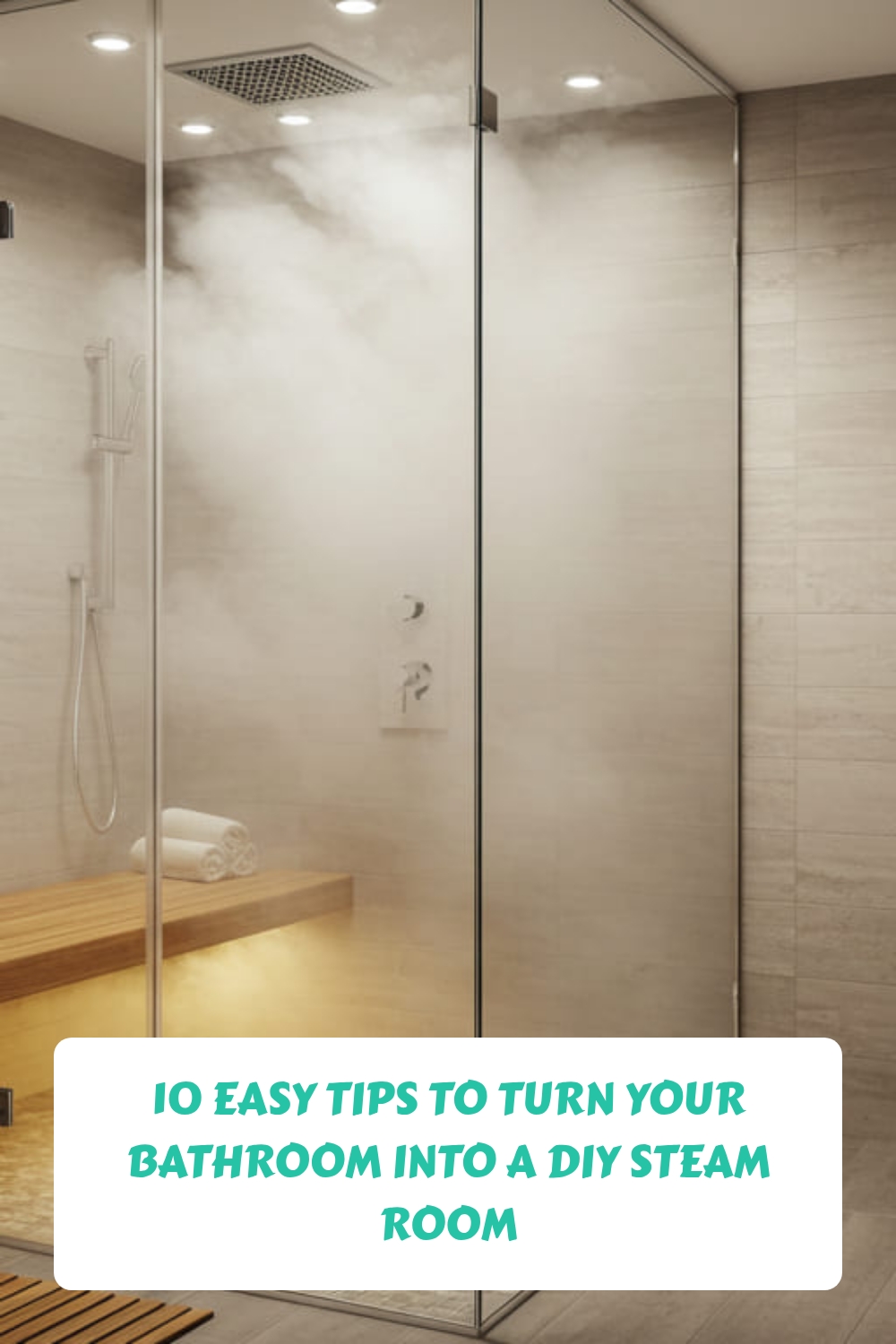
Few home luxuries compare to the soothing, rejuvenating experience of a steam room. Known for easing tension, clearing skin, and promoting relaxation, steam therapy is no longer reserved for high-end spas.
With the right touches, your everyday bathroom can become a personal wellness retreat. As an interior décor specialist, I often encourage homeowners to invest in self-care spaces, and transforming your bathroom into a steam haven is easier—and more affordable—than it seems.
From sealing in steam to introducing spa-like ambiance, these practical tips will help you enjoy the calming benefits of steam therapy without ever leaving home.
1. Upgrade Your Shower Enclosure
The key to a successful DIY steam room starts with sealing in heat and moisture. Most traditional showers let steam escape through open-top spaces or ill-fitting doors. To recreate the spa experience, invest in a fully enclosed shower.
This can be as simple as adding a glass door and ceiling panel to your existing setup, or as elaborate as installing a prefab steam shower kit.
Frameless glass enclosures not only retain steam but also create a clean, modern look that elevates your entire bathroom aesthetic.
Be sure your enclosure is properly caulked at all joints to prevent steam leakage. If a full remodel isn’t on the table, use a tension rod and heavy-duty shower curtain to temporarily trap steam for a similar effect.
2. Add a Steam Generator (Optional but Ideal)
For true steam room functionality, a steam generator is the gold standard. These compact units produce warm mist at the touch of a button and can be integrated into your shower enclosure.
While they require an upfront investment and professional installation, the long-term wellness and property value benefits often outweigh the cost.
If installing a generator isn’t feasible, you can still create steam by running hot water at full temperature for a few minutes before you step in.
Close all doors and windows, and let the room fill with steam. While it won’t be quite as concentrated as a generator-based system, it can still deliver a deeply relaxing effect.
3. Improve Insulation & Sealing
To keep steam from dissipating too quickly, your bathroom should be properly insulated. This includes both the shower area and the rest of the room. Pay special attention to the ceiling and any windows—areas where heat tends to escape first.
Thermal-insulated window coverings or frosted films can reduce heat loss without compromising natural light.
Seal gaps around windows, doors, and vents using weather stripping or silicone caulk. Even small openings can break the seal and ruin your steam session.
An airtight bathroom not only enhances your steam room but also improves energy efficiency across the board.
4. Incorporate Moisture-Resistant Materials
Bathrooms already endure high humidity, and steam therapy takes it to another level. Choosing materials that can withstand this moisture-rich environment is critical.
Opt for porcelain or ceramic tiles for your walls and floors. These materials are easy to clean, resist mildew, and hold up well under frequent exposure to heat and steam.
For the ceiling, use moisture-resistant drywall (often labeled green board) or install a PVC panel. Avoid standard paint or untreated wood, which can warp or grow mold over time.
If you crave warmth and texture, consider teak accents, which are naturally water-resistant and add a spa-like elegance to the space.
5. Add Seating for True Relaxation
Steam rooms are meant to be savored, not rushed. A small, built-in bench or a freestanding teak stool invites you to linger longer and enjoy the full benefits of steam therapy.
Built-in seating can be tiled to match your shower walls, blending seamlessly with your enclosure. It’s also a great way to add a touch of luxury and increase functionality.
If built-ins are out of the question, a sturdy waterproof stool or folding bench can offer the same comfort. Choose a piece that resists mold and doesn’t retain moisture.
Place it near a wall or corner where steam gathers most densely, creating a cozy cocoon-like effect.
6. Enhance Ambience with Lighting
Lighting is often the unsung hero of any room transformation. For a steam room experience, opt for soft, indirect light that enhances the feeling of calm.
Dimmable LED lights or color-changing bulbs allow you to tailor your steam sessions—cool tones for morning invigoration, warm glows for nighttime wind-downs.
If possible, install lighting inside your shower enclosure. Recessed waterproof LED fixtures are ideal and offer a clean, minimalist look.
Add candles or battery-operated lanterns around the bathroom for a spa-like touch that turns routine into ritual.
7. Bring in Aromatherapy
Steam carries scent beautifully, which makes your DIY steam room the perfect canvas for aromatherapy.
Essential oils like eucalyptus, lavender, or peppermint can turn your bathroom into a sensory oasis. Just a few drops on a washcloth placed near the water stream or added to a diffuser can fill the room with soothing fragrance.
Avoid placing oils directly on tiles or grout, as they can cause staining or slipperiness. If you have a steam generator, look for models that support essential oil infusion.
Otherwise, a heat-safe diffuser or a bowl of hot water with oils can provide the same calming benefits.
8. Use Smart Ventilation for Post-Steam Comfort
While sealing your bathroom is essential for steam buildup, you also need effective ventilation afterward to avoid mold and mildew.
A high-quality exhaust fan with a timer or humidity sensor is a must. It should activate automatically or run for at least 30 minutes after your session to clear out lingering moisture.
Make it a habit to open a window or door after use, once the initial steam effect has worn off.
If you’ve installed a generator, many models pair with smart systems to regulate temperature and ventilation, keeping the environment balanced and healthy long term.
9. Warm Up the Room Beforehand
A chilly bathroom is the quickest way to kill the mood. Pre-warming the space before your steam session makes the experience more enjoyable and prevents condensation from cooling too quickly.
Heated towel racks, radiant floor heating, or even a compact space heater (kept safely away from water) can all work wonders. Adding warmth also enhances the spa-like ambiance.
Step into a warm room, wrap yourself in a hot towel afterward, and you’ll feel like you’ve spent an hour at a luxury retreat—even if you’ve only had ten minutes in your own home.
10. Keep It Clean and Spa-Ready
A clean space makes for a clear mind. Steam accentuates every smell, surface, and texture, so keeping your bathroom tidy and clutter-free is essential. Use natural, non-toxic cleaners to wipe down surfaces regularly and prevent buildup of soap scum or mildew.
Add finishing touches like rolled towels, eucalyptus bundles, and neutral decor to amplify the spa vibe. Storage baskets and wall hooks can help maintain order and beauty simultaneously.
Your steam room should feel like a sanctuary, not a storage closet.
Conclusion
Creating a steam room at home doesn’t require a massive renovation or an extravagant budget. With thoughtful design choices and practical enhancements, your bathroom can evolve into a luxurious escape.
From enclosing your shower and introducing steam-friendly materials to curating mood lighting and aromatherapy, these small steps deliver big impact.
Your home should serve your well-being—and what better place to start than the room where you begin and end each day? Take these tips, make them your own, and start transforming your bathroom into the restorative steam retreat you deserve.
Let me know if you’d like this formatted for your website or turned into a downloadable PDF!